
KUEC helps researchers advance technologies from concept to market readiness through prototyping, validation, pilot demonstration, and structured TRL 4-7 development.
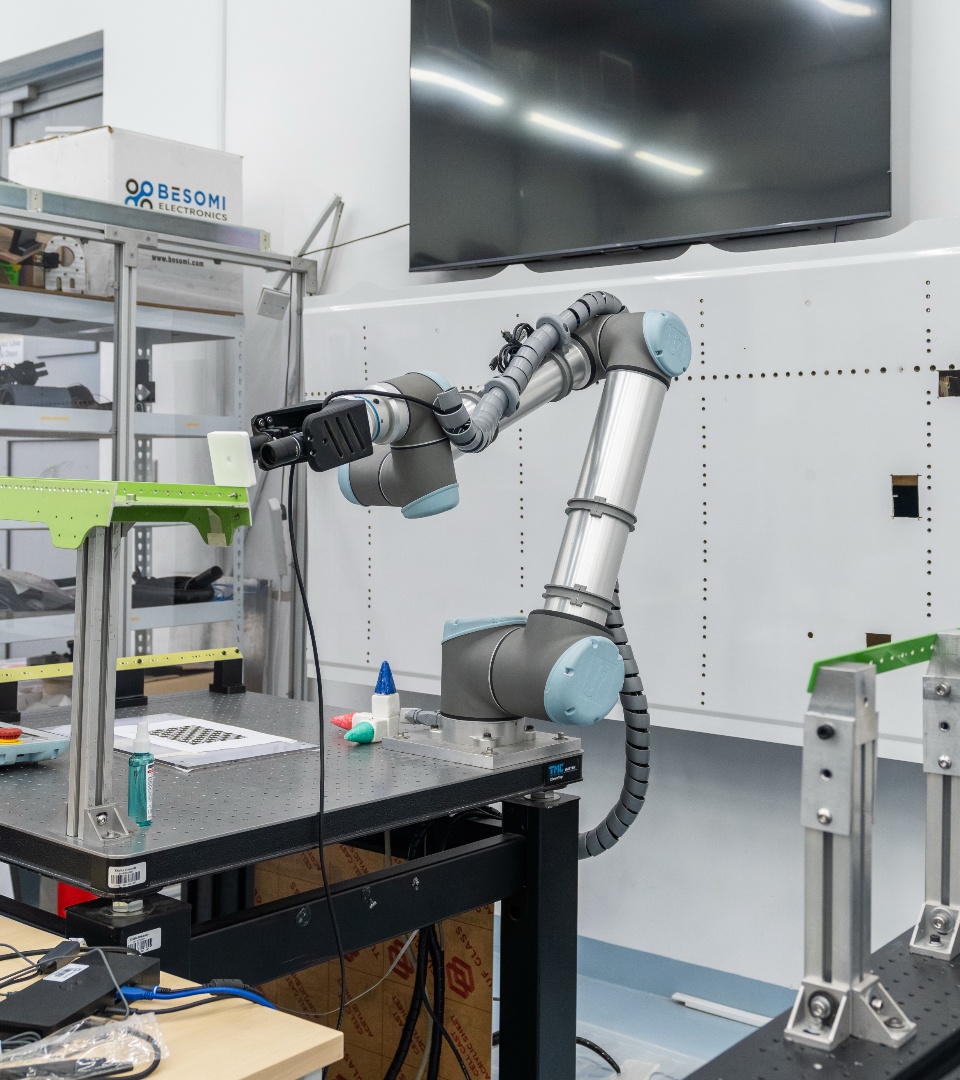
 Prototyping
KUEC supports researchers and innovators in progressing technologies across the Technology Readiness Level (TRL) spectrum. Through structured programs, we help validate concepts, develop prototypes, demonstrate real-world applications, and accelerate the journey toward commercialization.
Get in Touch
Assess technical feasibility, validate core concepts, and establish the foundation for prototype development.
Advance technologies through laboratory testing, prototype refinement, and performance validation to demonstrate practical viability.
Evaluate technologies in relevant environments through pilot projects and demonstrations that showcase operational readiness and market potential.
Support final qualification, industry adoption, and deployment strategies to accelerate commercialization and real-world implementation.
TRL Bridge Programs
KUEC's Technology Readiness & Prototyping Programs are designed to accelerate the journey from research innovation to commercial opportunity. Through the TRL Ladder Program, researchers receive structured support that advances technologies from TRL 4 to TRL 7, combining technical development, prototype validation, and commercialization support.
Get in Touch
Assess technology maturity, identify development gaps, and define structured pathways that advance readiness toward commercialization.

Support prototype demonstration in relevant environments, generating the technical evidence required for industry adoption.

Prepare technologies for industry engagement through market validation, technical readiness, and compliance.

Facilitate licensing opportunities, startup pathways, commercialization planning, and technology transfer to market.
Whether you're exploring research collaboration, laboratory services, technology licensing, startup engagement, or strategic innovation initiatives, our team will help connect you with the right expertise, services, and opportunities across the KUEC ecosystem.
Start a Conversation
Khalifa University Prototyping & TRL Bridge services support researchers, innovators, startups and industry partners that need to develop, test, validate or demonstrate a technology before wider adoption. KUEC can connect suitable projects with Khalifa University engineering expertise, laboratories, prototyping capabilities and commercialization support.
Technology Readiness Level, or TRL, is a scale used to describe how mature a technology is from early concept through validation and real-world demonstration. The KUEC TRL Bridge Program at Khalifa University focuses on structured progression from approximately TRL 4 to TRL 7, while broader prototyping support can also address proof-of-principle and earlier development needs.
KUEC conducts an evidence-based technology readiness assessment using the available prototype, test results, technical documentation, intended application, operating environment and remaining development gaps. This helps establish the starting TRL and define the validation, prototyping or demonstration evidence required to progress the technology toward the next readiness level.
A Khalifa University TRL Bridge or prototyping project may include technology assessment, proof-of-principle work, prototype development and refinement, laboratory testing, performance validation, pilot design, demonstration in a relevant environment, market validation, compliance readiness and commercialization planning. The exact support is tailored to the technology and target TRL.
Before approaching KUEC for Khalifa University prototyping or TRL Bridge support, prepare a concise description of the technology, the problem it solves, current prototype status, available test data, known technical limitations, current or estimated TRL, target application and the outcome you need to demonstrate. Drawings, specifications, prior reports and relevant intellectual property information can also support the assessment.
TRL progression at Khalifa University is based on technical evidence rather than completion of activities alone. Depending on the project, evidence may include validated performance data, prototype test results, documented closure of technical gaps, pilot results, repeatability, validation in a relevant environment, technical documentation and evidence that supports industry acceptance or deployment.
Yes. KUEC can help structure Khalifa University pilot projects and technology demonstrations with industry partners where the project and capabilities are a suitable match. Pilot and demonstration work can combine Khalifa University research expertise, laboratories, engineering capabilities and industry environments to generate evidence for technical validation and potential adoption.
Intellectual property and confidentiality requirements for Khalifa University prototyping, TRL Bridge and pilot projects are defined for each engagement. Existing background intellectual property remains with its owner, while rights to project results or new intellectual property, together with confidentiality and information-sharing requirements, are agreed before the work begins.
The duration and cost of a Khalifa University Prototyping or TRL Bridge project depend on the starting TRL, technical gaps, prototype complexity, testing requirements, facilities and equipment, pilot environment and target evidence. KUEC works with the relevant technical team to scope the project before confirming the delivery plan and commercial terms.
After reaching the target technology readiness level, KUEC can support the next Khalifa University commercialization pathway, including industry engagement, licensing, startup or spinout development, technology transfer, qualification and deployment discussions, or additional technical development. The appropriate route depends on the technology, evidence generated and market opportunity.